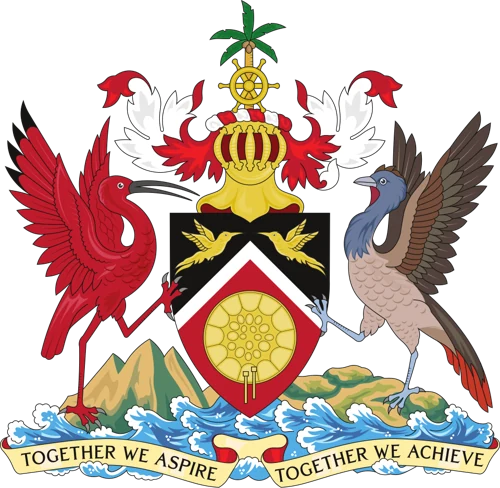
Capital: Port of Spain
Language: English
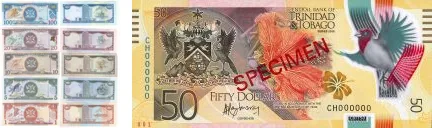
Currency: Trinidad and Tobago dollar
Trinidad and Tobago is a state of two islands off the coast of Venezuela, the southernmost in the Caribbean. The name «Trinidad» means «Trinity» — that is what Columbus called the island in 1498. Calypso music and the steelpan — the only new acoustic instrument of the 20th century — were born here.
🌿 Nature
Trinidad is a large island with mountains and swamps, home to scarlet ibises, the national bird, and the remarkable Pitch Lake, from which natural asphalt is dug for roads. Tobago is a smaller island with rainforests and corals, one of the oldest protected nature reserves in the Western Hemisphere.
📜 History
First the Arawak and Carib peoples lived here. Columbus arrived in 1498, and the islands belonged to Spain, Britain and France. African slaves worked on the plantations, and after slavery ended, indentured workers came from India. The country gained independence from Britain in 1962 and became a republic in 1976.
👨👩👧 People and culture
The population is mostly of African and Indian descent, so Diwali and Carnival are both celebrated. A favourite food is «doubles» — an Indian flatbread with chickpeas. The Carnival in Port of Spain is one of the most famous in the world, and steelpan music is played on drums made from barrels.
🏛️ What to see
- Pitch Lake
- The Carnival in Port of Spain
- The beaches of Tobago
- Argyle Waterfall
- The Asa Wright Nature Centre
- A mud volcano
✨ Fun facts
- The steelpan is made from oil barrels
- The largest natural asphalt lake in the world is here
- The scarlet ibis is the national bird
- Trinidad and Tobago is one of the few countries that has both oil and gas
- Calypso music was born right here
- Tobago is one of the oldest protected nature reserves on Earth