Capital: Castries
Language: English
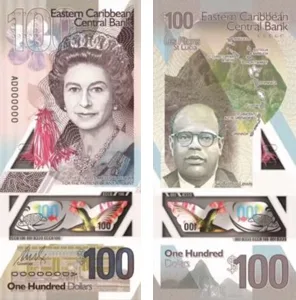
Currency: East Caribbean dollar
Saint Lucia is a volcanic island in the Caribbean Sea, named after Saint Lucy. The two sharp twin peaks, the Pitons, can be seen from many places on the island, and they are on the World Heritage List. The country is small, yet it has two Nobel laureates — more than any other state in proportion to its population.
🌿 Nature
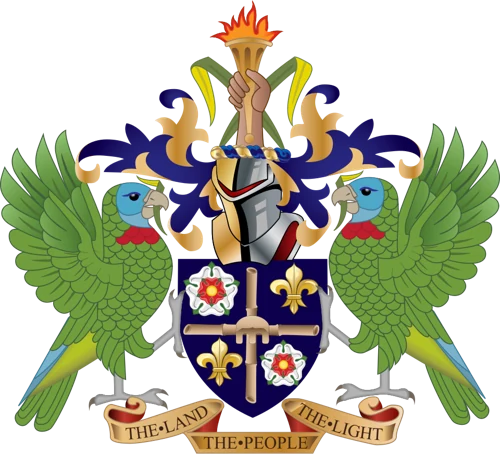
The two Pitons — Gros Piton and Petit Piton — are solidified volcanic plugs rising straight from the sea. Near the town of Soufrière lies the crater of the «drive-in volcano», with boiling sulphur and hot springs. In the humid forests lives the Saint Lucia parrot, the national bird, and in the sea coral reefs and dolphins.
📜 History
The Spaniards, French and British fought over the island — it changed hands fourteen times. African slaves worked on the plantations. Saint Lucia gained independence from Britain in 1979. English and a French-based Creole are still heard side by side.
👨👩👧 People and culture
Saint Lucians love cricket, football and music: a jazz festival is held here every year. The Nobel laureates are the economist Arthur Lewis (1979) and the poet Derek Walcott (1992). Bananas and cacao are grown, and a typical dish is green bananas with salted fish.
🏛️ What to see
- Gros Piton and Petit Piton
- Soufrière volcano with its sulphur springs
- Pigeon Island
- Marigot Bay
- Diamond Falls
- Castries and its market
✨ Fun facts
- The country is named after Saint Lucy of Syracuse
- Two Nobel laureates were born here, though only about 180,000 people live there
- The Pitons — sharp peaks straight from the sea — became the symbol of the country
- In Soufrière you can bathe in hot springs after visiting the sulphur crater
- The island changed hands fourteen times
- The Saint Lucia parrot is the national bird
Videos
- Song🇬🇧