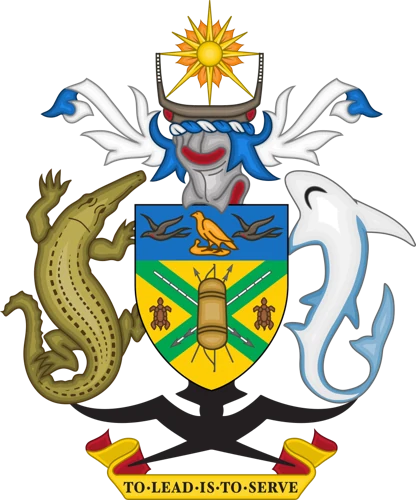
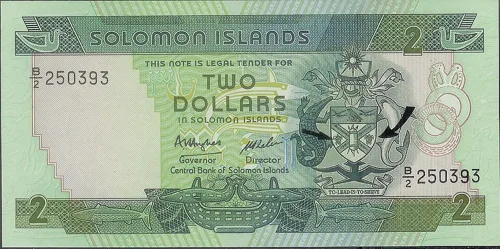
Capital: Honiara
Language: English
Currency: Solomon Islands dollar
The Solomon Islands is a country in Melanesia made up of about nine hundred and ninety islands. About seven hundred and twenty thousand people live here, and the capital is Honiara on the island of Guadalcanal. The country is known for corals, jungles and the history of Second World War battles.
🌿 Nature
The islands are volcanic and coral, covered with dense tropical forests. Marovo Lagoon is one of the largest enclosed saltwater lagoons in the world. On the coast are coral reefs with thousands of species of fish, and in the forests live crocodiles, parrots and rare fruit bats. The highest mountain is Popomanaseu, 2,335 metres.
📜 History
Melanesians lived here, and in the 16th century the Spanish navigator Álvaro de Mendaña saw the islands and named them Solomon. In the 19th century the islands came under British protection. In 1942–1943 great battles of the Second World War were fought on Guadalcanal. The country gained independence on 7 July 1978.
👨👩👧 People and culture
People speak Pijin and more than seventy local languages. Family ties — «wantok» — oblige people to help one another. Traditional «shell money» and carvings with mother-of-pearl inlay are famous. People like to make music on bamboo panpipes. The staple foods are sweet potato, taro, fish and coconut.
🏛️ What to see
- Marovo Lagoon
- Guadalcanal island and the battlefields
- East Rennell
- Reefs and sunken ships for diving
- Honiara
- Villages on stilts
✨ Fun facts
- Marovo Lagoon is one of the largest enclosed lagoons in the world
- Shells once served as money in the Solomon Islands
- East Rennell is a World Heritage Site
- The country has more than seventy languages
- The islands got their name from King Solomon, because Europeans were looking for gold there
- In the sea off Guadalcanal lie dozens of sunken ships