Capital: Ljubljana
Language: Slovenian
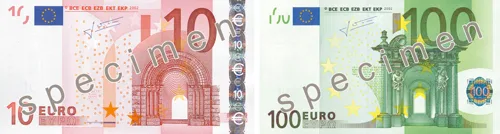
Currency: euro
Slovenia is a small country in Southern Europe where the Alps meet the Adriatic. About two million people live here. The capital Ljubljana is a green, cosy city, and more than half of the country is forest.
🌿 Nature
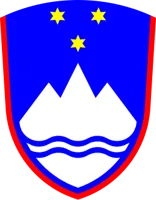
In the north rise the Julian Alps with Mount Triglav, 2,864 metres, shown on the flag. Lake Bled with its little island and church is one of the best-known pictures of the country. In Postojna Cave lives the unusual «human fish», the olm, which can go without food for years and lives up to a hundred years. The word «karst» comes from the Slovene «Kras» — a region with caves.
📜 History
Slovenes are a Slavic people who lived for centuries within Austria. After the First World War Slovenia became part of Yugoslavia. The country declared independence on 25 June 1991 and joined the European Union in 2004. In 2007 Slovenia was the first of the new members to adopt the euro.
👨👩👧 People and culture
Slovenes love mountains, skiing and beekeeping: wooden beehive panels are painted with bright fairy-tale pictures. The native language kept the «dual» — a special form for two things. A favourite dish is «potica», a sweet rolled cake with walnuts. Near Ljubljana stand works of the architect Jože Plečnik.
🏛️ What to see
- Lake Bled
- Postojna Cave
- The old town of Ljubljana with the Dragon Bridge
- The Škocjan Caves
- The coastal town of Piran
- Lake Bohinj and Mount Triglav
✨ Fun facts
- The word «karst» came from the Slovene language
- Mount Triglav decorates the flag and coat of arms of Slovenia
- The famous white Lipizzaner horses come from Lipica in Slovenia
- More than 50 percent of Slovenia is forest — the third most forested country in Europe
- The Slovene language has a dual — a separate form for two things
- The olm of Postojna Cave is a «little dragon»: people once took it for a baby dragon