Capital: Panama City
Language: Spanish
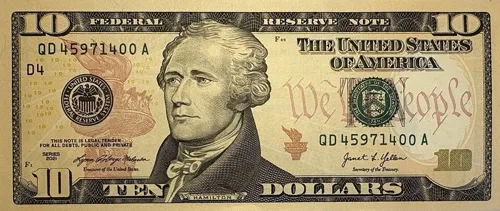
Currency: balboa and US dollar
Panama is a narrow isthmus country connecting North and South America. Between the two oceans here the famous Panama Canal was dug. The name most probably comes from an Indigenous word meaning «many fish» or «many butterflies».
🌿 Nature
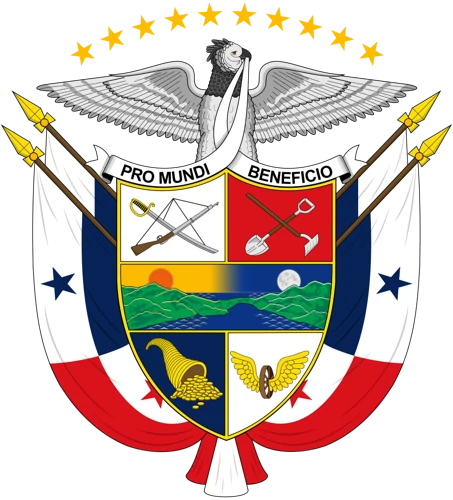
Panama lies in the tropics, and more than half of the country is forest. Sloths, tapirs, jaguars, harpy eagles — the national bird — and more than a thousand orchid species live here. The San Blas archipelago has more than three hundred coral islets. Here runs the land bridge between two continents — a narrow strip of land where animals from north and south meet.
📜 History
In 1513 Vasco Núñez de Balboa crossed the isthmus and became the first European to see the Pacific Ocean. Panama long belonged to Colombia and became independent in 1903 with US support. The canal was built in 1904–1914, and tens of thousands of workers died of disease. Since 1999 the canal has belonged fully to Panama.
👨👩👧 People and culture
Panamanians are a mix of Spaniards, Africans, Indians and Chinese. They like baseball and reggaeton rhythms. The Indigenous Kuna people sew colourful woven panels — molas — which have become a symbol of the country. People eat sancocho, a soup with chicken and yuca.
🏛️ What to see
- The Panama Canal and the Miraflores Locks
- The old town of Casco Viejo
- The San Blas archipelago
- The Bocas del Toro islands
- The Darién rainforests
- The skyscrapers of Panama City
✨ Fun facts
- Thousands of ships pass through the Panama Canal every year, and each pays for passage
- Ships in the canal are lifted up through lakes as if on steps
- The «Panama» hat actually comes from Ecuador but was named after Panama
- The harpy eagle — the largest eagle of the Americas — is Panama's national bird
- The country has two currencies: the national balboa and the US dollar
- The canal is about 80 kilometres long, and the passage takes 8–10 hours
Videos
- Videos🇵🇱